AI Research
Product
Goodbye em dash, we will miss you!

Written By
Javanshir Huseynzade
Jan 1, 2026
A tiny punctuation change says a lot about AI trust. The em dash used to be a loud “ChatGPT tell” and now it’s getting quieter.
The complaint we’ve all typed at least once
“Don’t use em dashes.”
“Make it human-written.”
“I said don’t use em dashes, why are you still doing it?”
Researchers, founders, stressed students and anyone who has ever tried to ship a decent LinkedIn post, have you said any of these to your AI?
The long dash era might be ending
Good news. The long dash era might finally be ending. Also, your professor’s plagiarism checker is about to ask for a raise.
Sam Altman said that if you tell ChatGPT not to use em dashes in your custom instructions, it finally does what it’s supposed to do, calling it a “small but happy win.”
Why this tiny change is oddly important
Jokes aside, this tiny change is weirdly important.
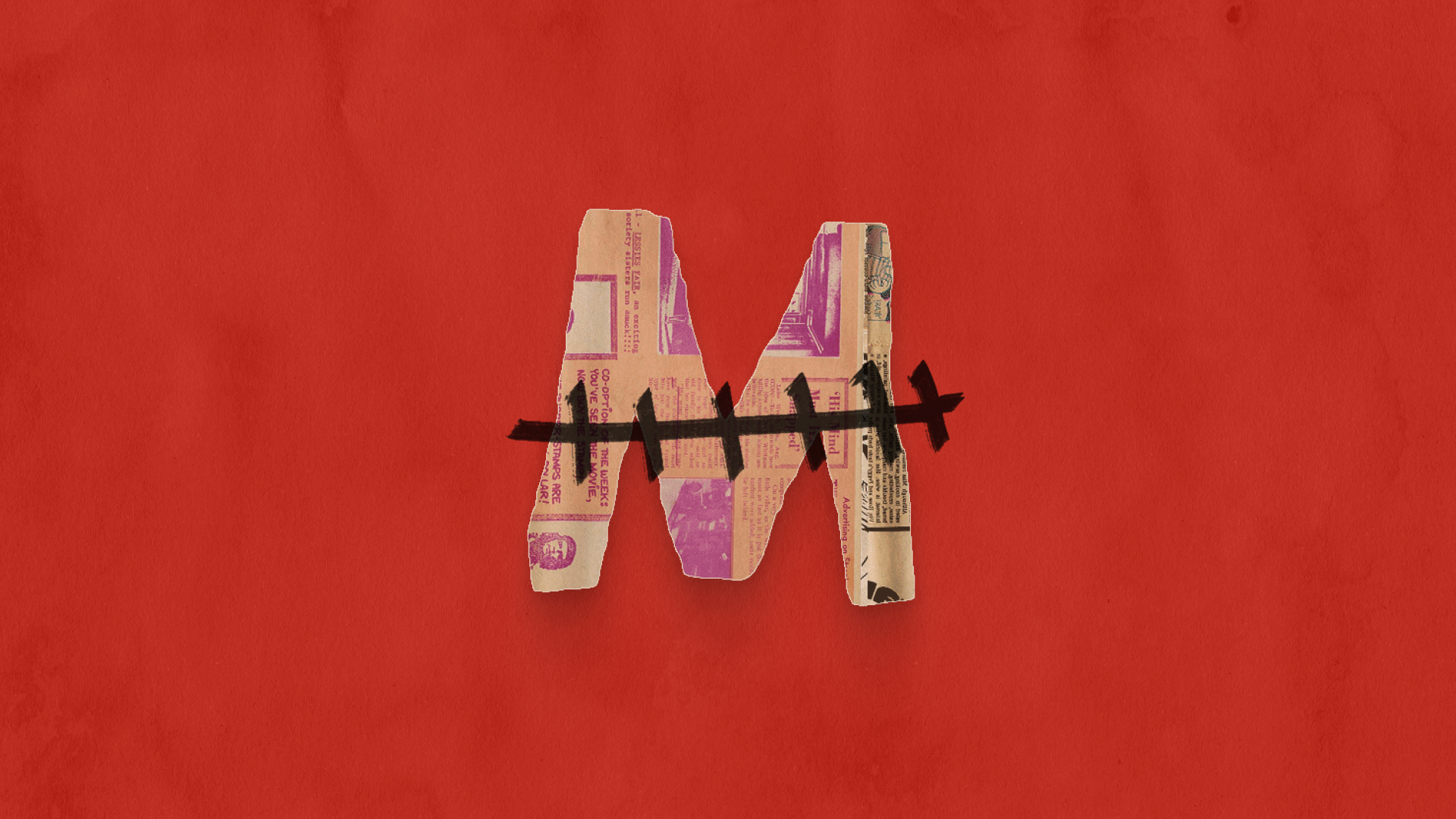
Because for a while, the em dash wasn’t just punctuation. It was a glow stick at a dark party screaming “THIS WAS MADE BY CHATGPT.” Essays, pitch decks, support emails, Facebook captions, you’d spot the rhythm instantly everywhere. Not because humans never use the long dash but because the pattern felt too consistent, too polished, too “default settings.”
And let’s be honest: even though most of us are using AI anyway, we are tired of seeing the same little “AI fingerprints” everywhere. They pull you out of the content. They make the text feel less like a person talking and more like a product demo pretending to be a person.
The uncomfortable question
Here’s the uncomfortable question.
If you stop reading when you notice those AI hints, what actually turned you off?
Was it the hint itself?
Or was it simply realising “this was AI involved”?
Because if the exact same text had zero obvious AI fingerprints and you didn’t know it was AI assisted, would you still hate it?
Most people wouldn’t. They would just… read it. Right?
What the research is starting to show
That’s not just vibes. Research is stacking up around a simple idea: trust drops when “AI involvement” becomes salient, meaning when it becomes obvious in your face.
One 2025 paper, “The transparency dilemma,” reports results across 13 experiments showing that disclosing AI use can reduce perceived trust, even when the underlying content quality is not worse. The mechanism they point to is legitimacy: people feel like using AI is not the “proper” way the work should be done.
Similar effects show up in advertising. A 2025 study on AI disclosures in ads finds disclosures can reduce trust in the message and in the organization behind it.
And in news contexts, labeling headlines as “AI generated” tends to make audiences rate them as less trustworthy and less shareable on average, even when the headlines are true or even written by humans.
Why punctuation became a trust trigger
So yes, that one punctuation habit mattered. Not because punctuation is life and death, but because it made the AI involvement obvious. It flipped a switch in your brain from “I’m reading” to “I’m evaluating whether this is legit.”
What happens when the obvious “tells” get patched
Now that the obvious “tells” are getting patched, a couple things happen at once:
First, people who just want clean output will be happier. Less friction, less editing, fewer “please stop doing that” arguments with a chatbot.
Second, it becomes harder to tell what is human, what is AI assisted and what is fully AI generated. That might be fine for casual writing but it gets messy fast when trust and accountability matter.
Third, the internet itself is filling up with AI flavored text. The big spooky question is what happens when models increasingly learn from a world where a lot of the writing is written by other models. If the input soup changes, the output soup changes too. Nobody wants to drink soup that tastes like recycled soup forever.
Watermark removed or annoyance fixed?

So did Sam do us a favor or did he remove one of the last harmless “watermarks” we had?
Not sure.
Peace for em dash enjoyers (and the innocent)
At minimum, the former em dash enjoyers can now return to their favourite punctuation without getting side-eyed like they just confessed to using a cheat code in public.
And for people who never knew where the em dash is on the keyboard, nothing changes. They were innocent in this war the whole time.
Newsletter
Enjoyed this read? Subscribe.
Get practical research tips, interview templates, and Askiva updates straight to your inbox.
Unsubscribe at any time
Written By
Javanshir Huseynzade
Updated on
Jan 1, 2026