PhD
The PhD Paradox: Why Getting Smarter Can Feel Like Imposter Syndrome

Written By
Javanshir Huseynzade
Jan 8, 2026
A PhD builds expertise, yet doubt often grows with it. Learn why imposter syndrome spikes, what the “frontier effect” is, and how to read feelings vs evidence.
The PhD paradox
A person can earn one of the most official “you know what you’re doing” credentials on Earth and still wake up thinking, “Any minute now, someone will realize I am three raccoons in a lab coat.”
That contrast is the paradox. A PhD is built on expertise, but the lived experience of doing it often comes with doubt.
What imposter syndrome really looks like
In academia, this feeling is usually called imposter syndrome. Outside academia, it often becomes the fear of being found out, the fear of sounding silly in a meeting, or the fear that everyone else got a secret instruction manual that never arrived.
It is not always dramatic. Sometimes it is just a quiet thought that shows up right before a presentation, a submission, or a new project.
Why learning can increase doubt
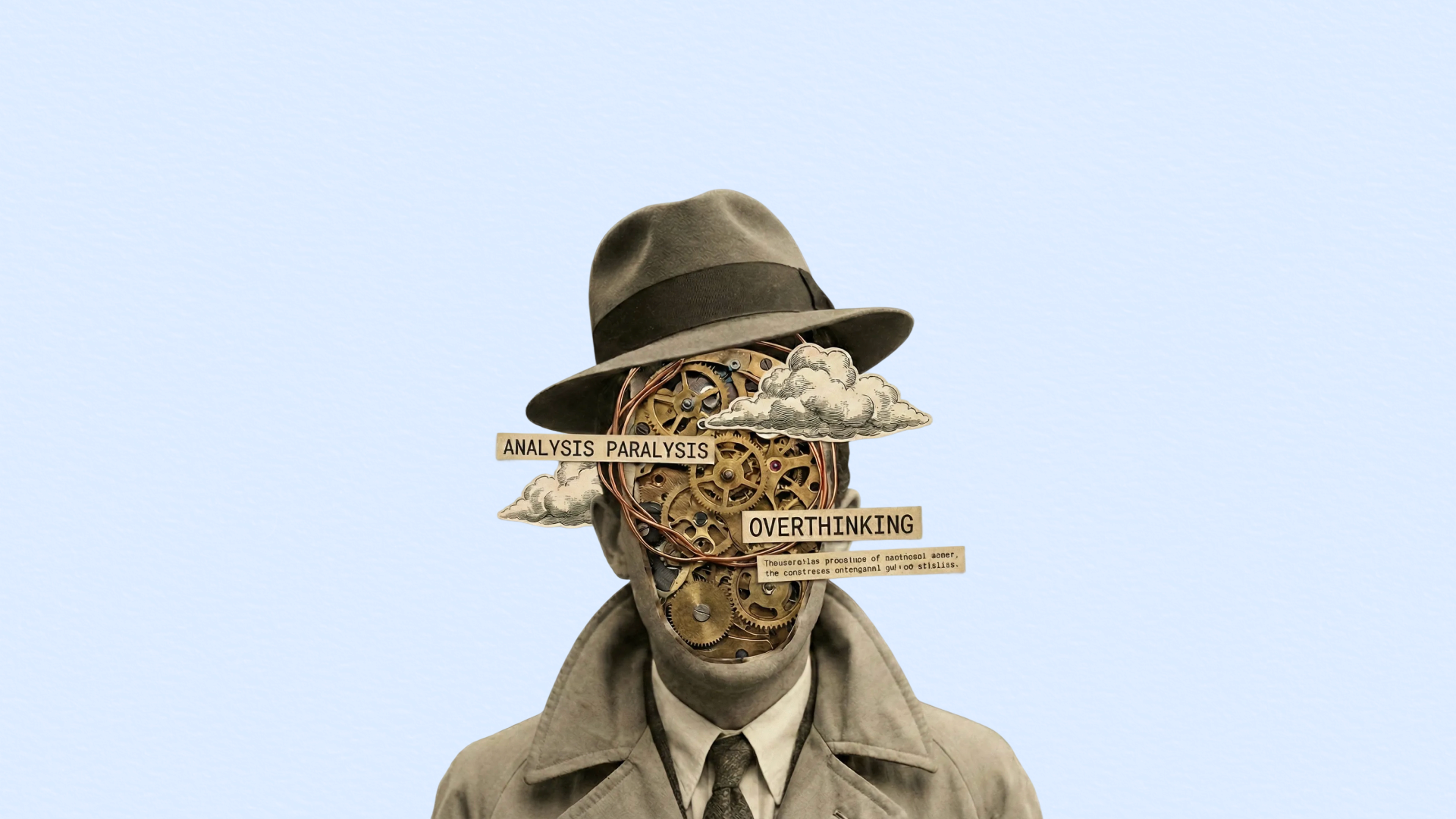
A PhD process does not just add knowledge. It improves vision. Better vision means seeing more complexity, more uncertainty, more exceptions, and more things that still do not make sense.
That awareness can feel like incompetence, but it is often the opposite. It is what happens when someone stops thinking in simple answers and starts thinking in real systems.
The frontier effect
Research is not like school where the answer key exists somewhere. Research is where the answer key is being invented in real time, sometimes by tired humans with cold coffee and very brave statistics.
Living at the edge of what is known can feel unstable. That discomfort is not proof of fraud. It is proof of proximity to the frontier.
Intellectual humility, not weakness
Imposter syndrome is often a byproduct of intellectual humility. People who care about truth and quality tend to be more sensitive to what is missing, what is not fully proven, and what could change with new evidence.
That is not a character flaw. It is a serious person reacting to a serious task.
Feelings are loud, evidence is calm
A useful shift is to separate emotion from evidence. Feeling uncertain does not mean being unqualified. Feeling behind does not mean being behind.
The internal voice might say, “This was luck.” The evidence usually says, “This was repetition, skill, and effort, done long enough to produce results.”
Confidence is not a requirement for competence
Many people wait to “feel like an expert” before they speak, publish, lead, or apply. But confidence often arrives after action, not before it.
Sometimes the jacket is the thing that makes you warm.
Why imposter syndrome spikes during growth
This feeling tends to flare up at the exact moments when growth is happening. New role. New lab. New team. Higher standards. Smarter peers. Bigger expectations.
The brain notices the gap between “what is required” and “what feels easy” and panics. But that gap is normal. In many cases, it is a sign the work is finally the right size.
The people who should feel a little uncertain are often the ones who feel it the least. Meanwhile, the people who are careful, rigorous, and honest about what they do not know can end up overthinking one sentence for an hour.
A PhD does not remove doubt. It upgrades it. It turns simple doubt into sophisticated doubt. It turns “I am bad at this” into “I wonder if this claim generalizes beyond the dataset,” which is not exactly a calming bedtime story.
The healthier goal
The goal is not to eliminate imposter feelings forever. The goal is to recognize them as weather, not as a forecast.
The mind can shout. The work can still be real.
Newsletter
Enjoyed this read? Subscribe.
Get practical research tips, interview templates, and Askiva updates straight to your inbox.
Unsubscribe at any time
Written By
Javanshir Huseynzade
Updated on
Jan 8, 2026