Social Science
Have You Ever Got High Grades Without Studying?

Written By
Javanshir Huseynzade
Jan 16, 2026
Did you get high grades without studying but struggle as an adult? You might have Gifted Kid Burnout. Discover why your brain avoids effort and how to retrain it for resilience.

Have you ever got high grades without studying? You shouldn’t be happy about it. Yes, I said it. Kid you is doing a victory dance, teachers are calling you “special,” and your family is telling the neighbors like they just won a Nobel Prize. But adult you is probably staring at a laptop at 2:17 a.m., thinking, “Why can I do anything except the thing I need to do?”
Welcome to the weird little haunted house called Gifted Kid Burnout.
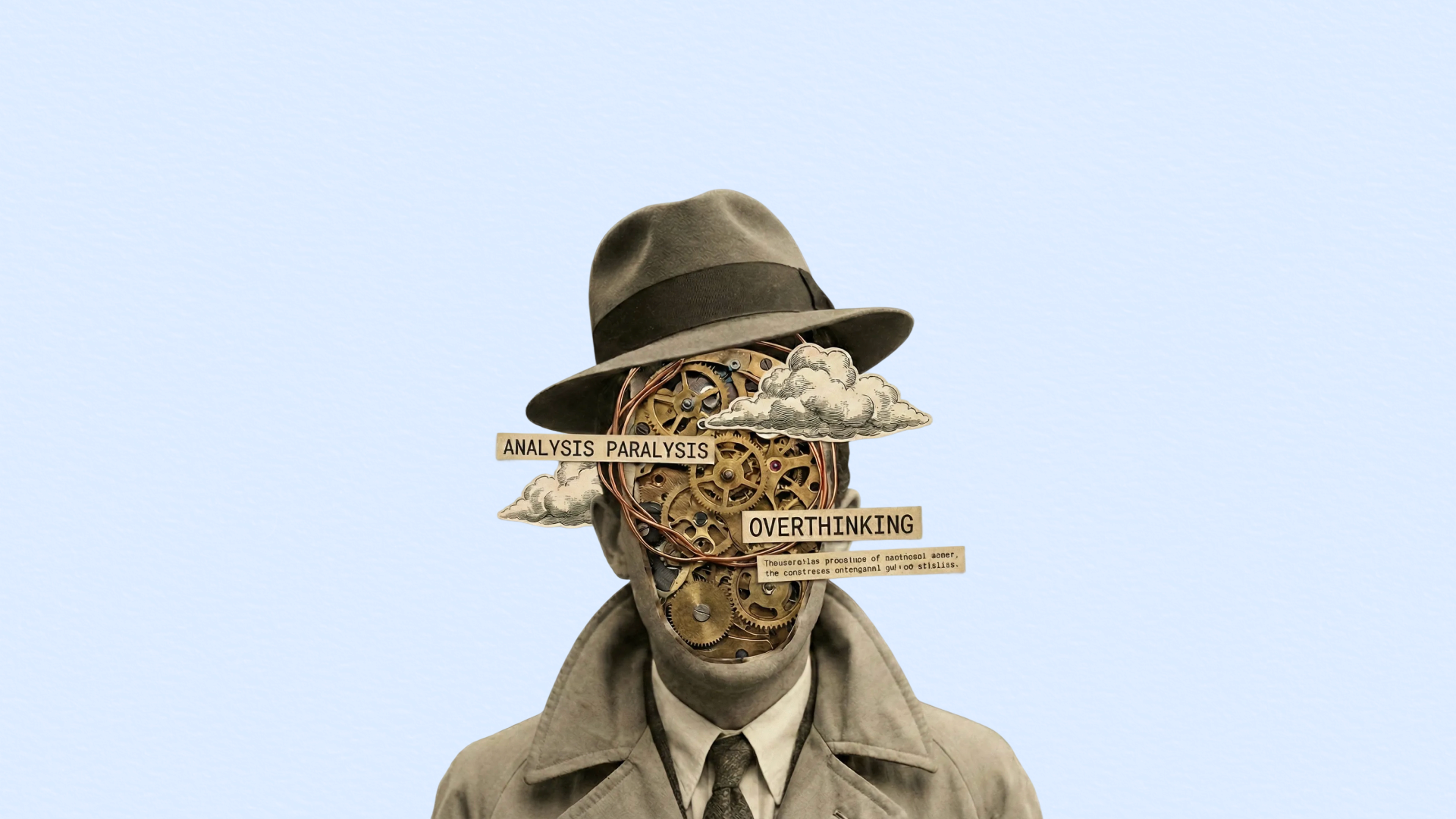
It is not a real medical diagnosis you can print and frame, but it is a very real pattern. It is when growing up “smart” turns into growing up exhausted. It is when your brain gets used to easy wins, then panics the first time life becomes hard and refuses to cooperate like a cat being asked to swim.
And no, you are not lazy. You are just running an old operating system that was never updated for adult life.
The Early Years: Praise Is a Sugar Rush
When you are a kid and things come easy, everyone claps. You learn fast. You remember facts. You write nice sentences. You solve math problems like you have a tiny calculator living in your skull.
People praise the result, not the process. They praise you, not the effort. So your brain learns a simple rule: Being smart means being right quickly.
This is cute for school. School is like a video game tutorial level. It teaches you controls, gives you coins, and nobody makes you fight the final boss with a broken sword.
Then adulthood arrives. Adulthood is not a tutorial. It is a boss fight, and the boss has email.
The Trap: Identity Becomes a Job
When you are “the smart one,” it becomes your brand. It becomes your passport. It becomes the thing you use to feel safe. If you do well, you feel worthy. If you struggle, it feels like your entire personality is getting fired.
So you avoid struggle. Because struggle feels like proof that you were never gifted. And if you were never gifted, then who are you exactly?
This is how a lot of gifted kids become adults who avoid starting things. Because starting means you might be bad at it for a while. And being bad feels illegal.
How It Shows Up: The Adult Pain Package
Gifted Kid Burnout does not always look like lying on the floor dramatically, although the floor is honestly very supportive.
Sometimes it looks like procrastination with extra steps. You sit down to work, open ten tabs, clean your desk, read one article about productivity, and somehow end up watching a video of a raccoon stealing dog food. Your brain is not broken. It is protecting you from the scary part, which is trying.
Sometimes it looks like perfectionism. You want to do it perfectly or not at all. So you do not do it at all. Then you feel guilty. Then you promise you will do it tomorrow with a fresh new personality. Tomorrow comes. Same story. Your calendar is basically a comedy show.
Sometimes it looks like emotional exhaustion. You can do difficult things, but it costs too much. You feel tired in a way that sleep does not fix. You feel like your brain is carrying a backpack full of invisible rocks.
Sometimes it looks like fear of failure, but also fear of success. Failure means you are not good enough. Success means people will expect more from you forever, and you will have to keep the magic trick going until you die. Both options feel like stress. So you freeze.
Why It Happens: Smart Is Not the Same as Skilled
Being gifted often means you did not have to practice the skill of practicing.
You did not build the muscle of doing hard things badly at first. You did not build a friendly relationship with mistakes. You did not learn how to fail and stay calm. You learned how to win quickly, and you learned that winning is who you are.
So when work gets complex, or when life hits you with uncertainty, your brain does not have a smooth routine for it. It has one routine: Panic, avoid, shame, repeat.
Also, adult life is not graded like school. There is no clear rubric. Nobody gives you an A for “trying hard.” Sometimes you work a lot and nothing happens. Sometimes you do good work and someone ignores it. School trained you for clean feedback. Adulthood gives you fog.
The Secret Shame: You Feel Like a Fraud
Gifted Kid Burnout often comes with a weird inner voice that says, “Other people handle this, why can’t you?” It is extra spicy because your whole childhood was proof that you could handle things.
So now you think, “If I struggle, it means I was never truly smart.” You may even feel like you tricked everyone. Like your childhood achievements were just luck. Like you are one bad meeting away from being exposed as a person who is actually three squirrels in a coat.
This is common. It is also unfair to you. You did not trick anyone. You just grew up. Tasks got harder. Context changed. And the old strategy stopped working.
That is not fraud. That is physics.
The Good News: Your Brain Can Be Retrained
Your brain learned a set of rules. It can learn new ones.
A helpful new rule is this: Effort is not proof you are failing. Effort is proof you are learning.
Another new rule is this: Doing it badly is not embarrassing. It is the first draft of doing it well.
This sounds simple, but for a gifted kid it can feel like emotional skydiving. Because your nervous system may associate “not instantly good” with danger. So you need to teach your nervous system that struggle is survivable.
You do that by taking the shame out of the process. Not all at once. Step by step. Like training a scared cat to trust a new couch.
Rebuilding the Foundation: You Need Process, Not Motivation
Motivation is a diva. It shows up late, demands perfect lighting, and leaves early.
Process is boring and loyal. Process is what you need.
A healthy process is one where you show up, do a small piece, and leave a breadcrumb trail for your future self. You are not trying to feel inspired. You are trying to be consistent.
And consistency has a secret power. It makes your brain stop treating the task like a threat. It becomes normal. And normal is calm.
When you feel stuck, the goal is not to “try harder.” The goal is to make the task smaller until your brain stops screaming.
The Emotional Part: Grieving Your Old Identity
This part is sneaky.
Some gifted kids secretly miss the version of life where everything was easy and people praised them for existing. That is not childish. It is human.
You might need to grieve that. Because adult life will not hand you gold stars for being smart. It will hand you problems and say, “Good luck.”
Grieving is not dramatic. It can be quiet. It can be admitting, “I miss being effortlessly good.” It can be admitting, “I feel behind.” It can be admitting, “I am scared that I peaked at age twelve.”
And then you move forward anyway.
Because you are not here to be a museum exhibit of your childhood potential. You are here to become a person with real skills, real boundaries, and a real life.
What Healing Can Feel Like: Less Magic, More Trust
The most annoying truth is that healing often feels less exciting at first.
You may not feel brilliant. You may feel slow. You may feel ordinary. You may feel like your brain is running on dial up internet.
But under that, something better is happening. You are building trust with yourself. You are learning that you can start even when you do not feel ready. You are learning that you can be imperfect and still be respected. You are learning that your worth does not depend on performing intelligence like a circus act.
You become calmer. You become steadier. You become harder to break.
And ironically, this is when people often become truly excellent. Not the “I crammed and got an A” kind of excellent. The “I can do hard things for a long time” kind of excellent. The kind that builds careers, relationships, and actual peace.
A Kinder Ending: You Were Never Supposed to Be a Machine
Gifted Kid Burnout is not a moral failure. It is a predictable outcome of growing up in a system that rewards outcomes and ignores resilience.
You were praised for speed, not for stamina. You were praised for being right, not for being brave. You were praised for what came easy, not for what you built.
So now you get to build.
Not because you are broken, but because you are human. Humans learn by struggling, not by being perfect. Humans need rest. Humans need support. Humans need to be allowed to be beginners.
And if you are reading this while avoiding a task, just know you are not alone. Millions of former “smart kids” are out there right now, staring at their screens, thinking they need a new personality.
You do not need a new personality.
You need a new relationship with effort.
And maybe a snack. Adult life is cruel like that.
Newsletter
Enjoyed this read? Subscribe.
Get practical research tips, interview templates, and Askiva updates straight to your inbox.
Unsubscribe at any time
Written By
Javanshir Huseynzade
Updated on
Jan 16, 2026